
Amazon sales business: Your 2026 Guide to Profit & Brand Protection in the UK
Master your amazon sales business in 2026 with our comprehensive UK guide. Learn models, strategies, and how to protect your brand. Contact Us today!

Samaa
June 29, 2026Mastering Your amazon sales business in 2026: A UK Seller's Blueprint
Starting or growing an amazon sales business in 2026 demands current strategies and keen insight into Amazon's evolving landscape. This guide provides a comprehensive roadmap for UK sellers, covering everything from initial setup to advanced scaling and critical brand protection measures.
What Exactly is an Amazon Sales Business in 2026?
An amazon sales business involves selling products to customers via Amazon's vast online marketplace. In 2026, this encompasses understanding a dynamic ecosystem of evolving algorithms, stricter compliance, and new tools like AI-powered shopping assistants such as Amazon Rufus.
The core remains product discovery and purchase, but the strategies to achieve success are constantly being refined. UK sellers must now factor in global supply chain shifts and localised consumer behaviour more than ever before. This isn't just about listing products; it's about building a sustainable digital retail operation.
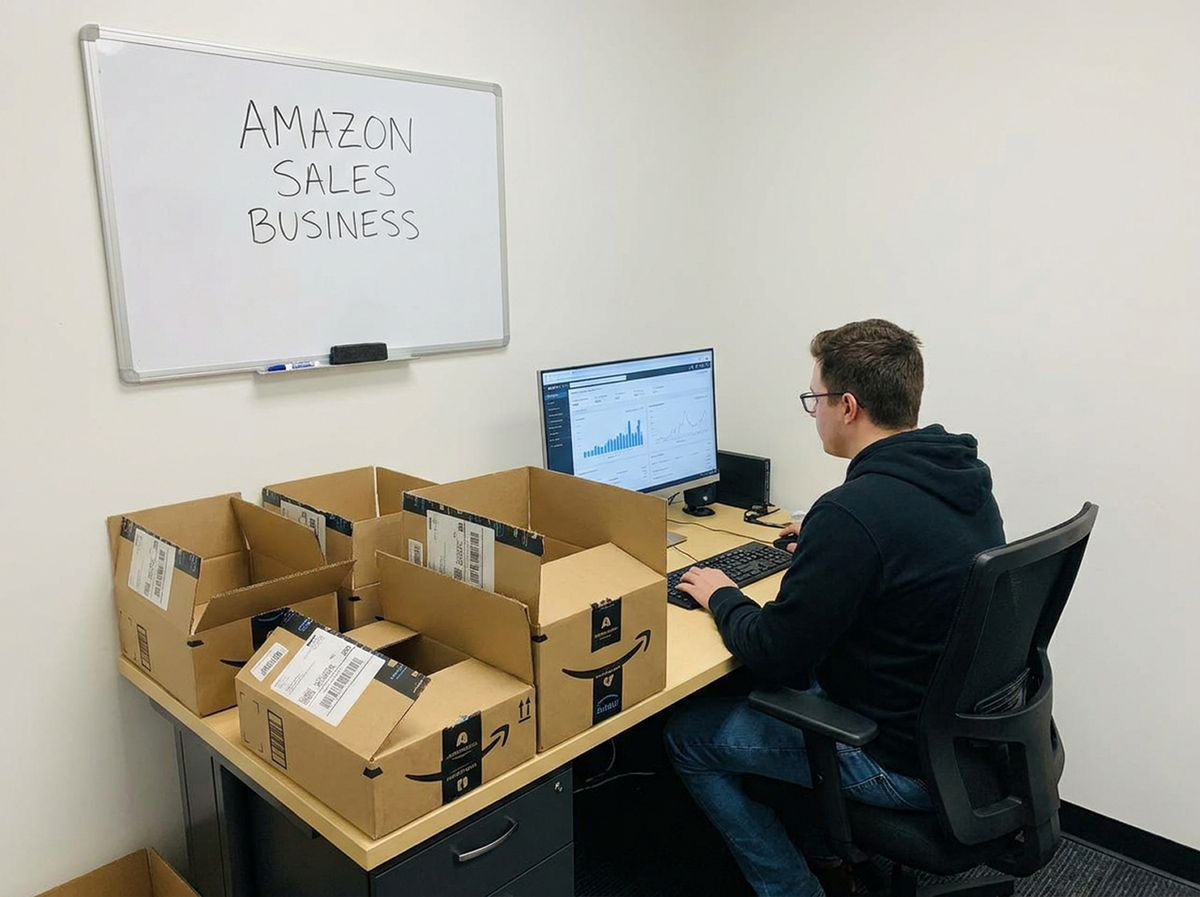
Choosing Your Amazon Business Model: FBA, FBM, Wholesale, or Private Label?
Selecting the right business model is foundational for any aspiring amazon sales business. Each model comes with distinct advantages and operational demands. We often see sellers achieving the best results by aligning their model with their capital, risk tolerance, and logistical capabilities.
What are the most profitable amazon business models?
The profitability of an Amazon business model often depends on market conditions, product choice, and efficient operation. While Private Label and Wholesale can offer high margins, they typically require more upfront capital. Dropshipping and Online Arbitrage might have lower entry barriers but often come with thinner margins and higher competition.
Here’s a breakdown of the primary models:
| Business Model | Description | Pros | Cons |
|---|---|---|---|
| Fulfillment by Amazon (FBA) | You send products to Amazon's warehouses, and they handle storage, packing, shipping, and customer service. | Eligibility for Prime, hands-off logistics, scalable. | Higher fees, strict inventory requirements, potential for commingling issues |
| Fulfillment by Merchant (FBM) | You store, pack, and ship products directly to customers. | Lower fees, more control over inventory and customer service, better for unique or heavy items. | No Prime eligibility (unless Seller Fulfilled Prime), requires significant logistical effort. |
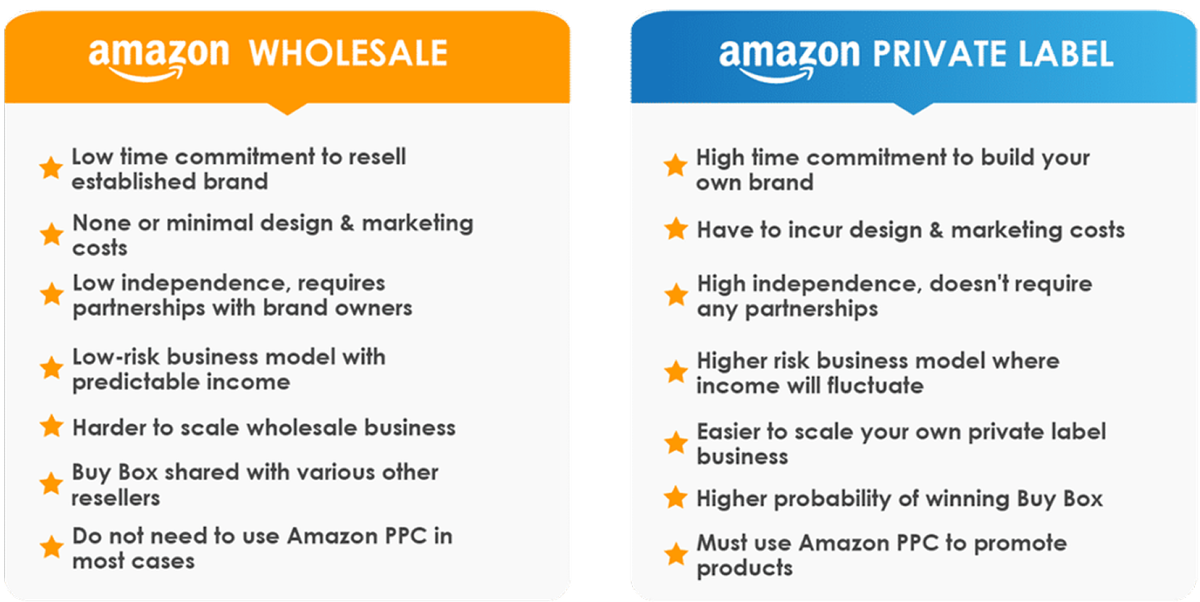
| Wholesale | Buying branded products in bulk from suppliers at a discount and reselling them on Amazon. | Established demand, less marketing effort, faster scaling. | High competition, price wars, requires good supplier relationships. |
| Private Label | Creating your own brand and products, often manufactured overseas, and selling them exclusively. | High-profit margins, full brand control, less competition (initially). | Significant upfront investment, extensive product research, marketing required. |
Setting Up Your Amazon Seller Account: A 2026 Step-by-Step Guide
The process of establishing an amazon sales business begins with setting up an Amazon Seller Central account. This process has become more stringent in 2026, with Amazon focusing heavily on seller verification to combat fraud.
How do I start an amazon sales business?
Starting an amazon sales business involves several key steps, from registration to product listing. We recommend having all your business documentation ready, including company registration, tax information, and bank details, to ensure a smooth setup process.
Here's a simplified step-by-step guide:
- Choose Your Selling Plan: Decide between Individual (no monthly fee, per-item fee) or Professional (£25/month + referral fees). Most serious sellers opt for Professional.
- Register Your Account: Go to Seller Central and follow the prompts. You'll need your business email, credit card, government ID, tax information, and phone number.
- Provide Business Information: Input your legal business name, address, and VAT registration (if applicable in the UK).
- Bank Account Details: Link a bank account where Amazon can send your earnings.
- Verification Process: Amazon will verify your identity and business. This can involve video calls or document submissions. Delays here are common, so be patient and accurate.
- Configure Shipping and Tax Settings: Set up your shipping rates and ensure your tax settings are correct for UK sales.
For an in-depth look at managing your account, our guide on Amazon Seller Central 2026: Updates US Sellers Must Know Now provides crucial insights.
Product Sourcing Strategies for a Profitable Amazon Sales Business
Finding the right products is paramount to a successful amazon sales business. In 2026, competitive sourcing means looking beyond traditional methods and leveraging data more effectively. Our experience shows that thorough product research is the single biggest predictor of success.
What are the biggest challenges for Amazon sellers in 2026 and how to overcome them?
One of the biggest challenges for Amazon sellers in 2026 is product sourcing. Overcoming this requires extensive market research, supplier vetting, and understanding global logistics. Factors like tariffs, supply chain disruptions, and ethical sourcing are now critical considerations for UK sellers.
Consider these sourcing methods:
- Retail Arbitrage: Buying discounted products from retail stores to resell on Amazon. It's often a good starting point due to low capital requirements.
- Online Arbitrage: Similar to retail arbitrage but sourcing products from online retailers. Tools like Keepa are invaluable here.
- Wholesale: Purchasing products directly from brands or distributors in bulk. Requires establishing business relationships.
- Private Label: Working with manufacturers (often in China or other Asian countries) to create unique products under your own brand. This path offers high control but also high risk and investment.
Always conduct thorough due diligence on suppliers to ensure product quality and ethical manufacturing practices. This directly impacts your brand reputation and review scores. For more on sourcing, see The Ultimate 2025 FBA Playbook: Mastering Product Sourcing, Suppliers, & Reputation Management.
Mastering Amazon SEO and Product Listing Optimization for 2026
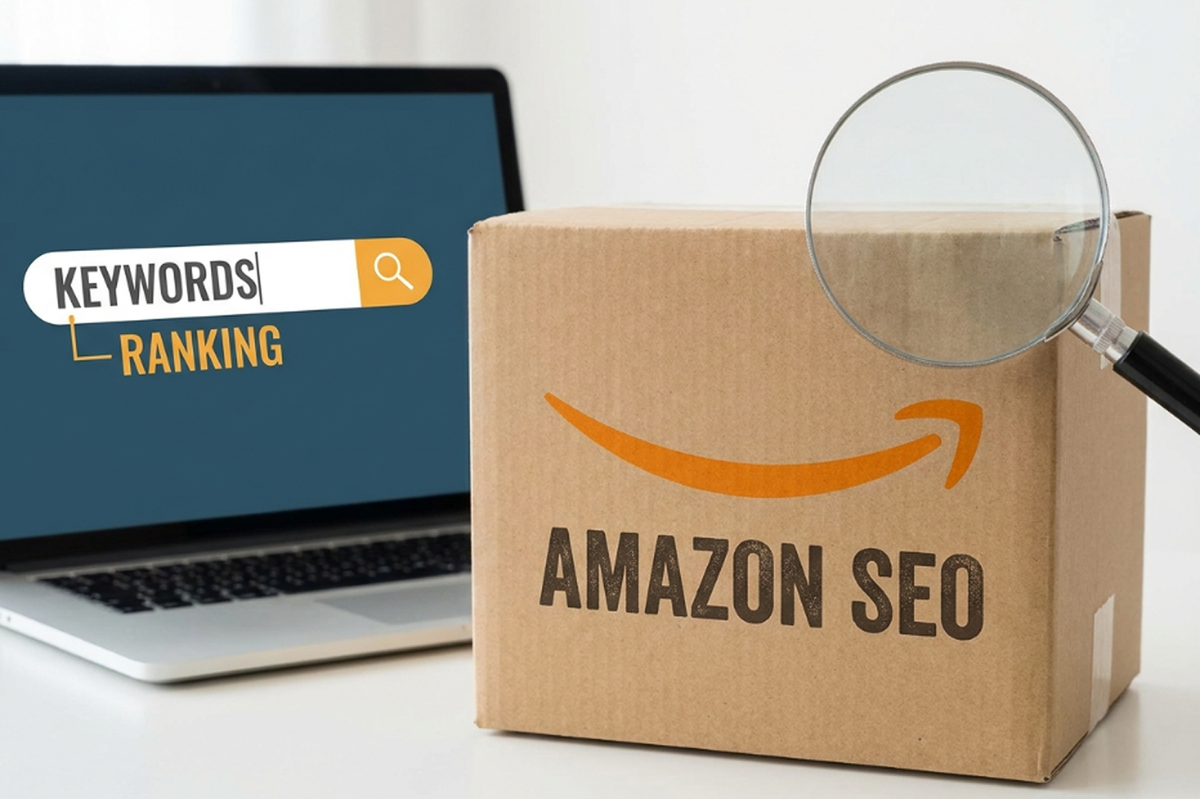
Visibility is currency for an amazon sales business. Optimising your product listings for Amazon's A10 algorithm is critical for ranking higher in search results and attracting more customers. This has evolved significantly with the integration of AI.
How do I increase my amazon sales?
Increasing Amazon sales largely depends on search visibility and compelling product listings. This involves strategic keyword research, crafting informative and persuasive product titles, bullet points, descriptions, and utilising high-quality images and video. We also find that consistent monitoring and adaptation are essential.
Key optimization areas include:
- Keyword Research: Identify high-volume, relevant keywords using tools like Jungle Scout or Helium 10. Incorporate these naturally throughout your listing.
- Product Title: Include your primary keyword, brand name, key features, and product type. Keep it concise and impactful.
- Bullet Points: Highlight 5-7 key features and benefits, focusing on how the product solves a customer's problem.
- Product Description: Provide more detailed information, use engaging language, and include any remaining relevant keywords.
- Images and Video: Use high-resolution images, lifestyle shots, and a product video to showcase your item effectively.
- Backend Search Terms: Utilise these fields in Seller Central for additional keywords that don't fit naturally into your visible content.
With Amazon's AI shopping assistant, Rufus, becoming more prominent, conversational search phrases are gaining importance. Optimising for these can give your amazon sales business a significant edge. Learn more about AI & Amazon SEO: How 'Rufus' is Changing Product Discovery.
Effective Amazon Advertising (PPC) Strategies to Boost Sales Now
Amazon PPC (Pay-Per-Click) advertising is a powerful tool to drive immediate traffic and sales to your amazon sales business. In 2026, successful campaigns require a nuanced approach, balancing aggressive bidding with precise targeting and continuous optimisation. Our clients often see exponential growth when PPC is managed strategically.
How to skyrocket your amazon sales business in 2026?
To truly skyrocket your amazon sales business, a multi-faceted approach combining strong organic SEO with highly targeted PPC campaigns is essential. This includes ongoing keyword refinement, A/B testing ad creatives, and closely monitoring your Advertising Cost of Sales (ACOS) to ensure profitability.
Consider these PPC strategies:
- Sponsored Products: Target specific keywords or ASINs to display your products on search results pages and product detail pages.
- Sponsored Brands: Showcase your brand logo, a custom headline, and multiple products. Ideal for brand awareness and driving traffic to your Storefront.
- Sponsored Display: Reach relevant audiences on and off Amazon, based on shopping and viewing signals. Great for remarketing and reaching new customers.
- Keyword Targeting: Use a mix of broad, phrase, exact, and negative keywords to control who sees your ads.
- Product Targeting: Target specific competitor ASINs, categories, or brands to capture market share.
Regularly review your campaign performance, adjust bids, and refine your keyword lists. Don't let underperforming ads drain your budget. A robust PPC strategy is a cornerstone of a thriving amazon sales business. For a deeper dive, check out Amazon Ads 2025: Your Blueprint for Max ROI & Full-Funnel Success.
Managing Inventory and Fulfillment: The Latest on Amazon FBA and FBM in 2026
Efficient inventory management is the backbone of a successful amazon sales business. In 2026, Amazon continues to refine its FBA policies, making it crucial for sellers to understand storage fees, inventory performance metrics, and the benefits of a hybrid fulfillment approach.
What are the latest Amazon FBA fees in 2026?
Amazon FBA fees in 2026 have seen adjustments, particularly around storage and fulfillment costs, influenced by product size and seasonality. Sellers must stay vigilant about these changes to accurately calculate profitability. Our advice is to use an Amazon FBA Calculator for precise estimates.
Key considerations for 2026:
- Inventory Performance Index (IPI): Maintain a healthy IPI score to avoid storage limits and higher fees. Focus on reducing excess inventory and improving sell-through. For help, read Struggling with Your Amazon IPI Score? How to Improve It in 2025 and Avoid FBA Limits.
- FBA Storage Fees: These can fluctuate based on time of year and product size/weight. Plan your inventory shipments carefully to minimise long-term storage fees.
- Fulfillment Costs: Understand the per-unit fulfillment fees, which cover picking, packing, and shipping. These are critical for pricing strategies.
- Hybrid Fulfillment: Many successful sellers now employ a hybrid FBA/FBM model. This allows for flexibility, especially for new products or during peak seasons, balancing Amazon's efficiency with your own control.
Keeping an eye on your inventory levels and understanding Amazon's fee structure is vital for maintaining profitability in your amazon sales business. Neglecting this can quickly erode your margins.
How to Handle Amazon Reviews and Protect Your Brand Reputation in 2026
For any amazon sales business, reviews are the lifeblood of trust and conversion. In 2026, with increasing sophistication in fake reviews and competitor attacks, proactive review management and robust brand protection are not just beneficial – they are essential. This is where Bluebug's expertise becomes invaluable.
How important are reviews for Amazon sales?
Reviews are incredibly important for Amazon sales. They directly influence customer purchasing decisions, product ranking, and overall brand credibility. Positive reviews build trust, while negative or fake reviews can severely damage your sales and reputation. We cannot overstate their impact.
Why are negative amazon reviews so damaging? (Reddit/Quora Question)
Negative Amazon reviews are damaging because they erode consumer trust, reduce conversion rates, and can negatively impact your product's search ranking. A single unfair or fake negative review can deter hundreds of potential buyers, making its removal critical for your amazon sales business. Our How Amazon Negative Reviews Can Kill Sales guide explains more.
Strategies for review management and brand protection:
- Monitor Reviews Actively: Use tools to track new reviews and respond promptly, especially to negative feedback.
- Encourage Authentic Reviews: Implement ethical strategies to encourage satisfied customers to leave reviews. Avoid any tactics that violate Amazon's Terms of Service.
- Identify and Report Fake Reviews: Be vigilant for suspicious reviews (e.g., repetitive phrasing, multiple negative reviews in a short period targeting your brand). Amazon has mechanisms for reporting, but often third-party expertise is needed. Our Remove Fake Reviews on Amazon article offers guidance.
- Leverage Review Removal Services: For complex or persistent negative and fake reviews, specialist services like Bluebug can legally and ethically remove damaging feedback, protecting your brand's integrity. Learn more about our review removal service.
- Brand Registry: Enrol in Amazon Brand Registry to gain access to powerful tools for protecting your intellectual property and reporting infringements.
Protecting your brand reputation from unfair or fraudulent reviews is a continuous effort, but it's one of the most vital investments you can make in your amazon sales business. For more on this, explore Reputation Management Company: Protect Your Amazon Store in 2025.
Scaling Your Amazon Sales Business: Advanced Tactics for Growth
Once your amazon sales business is established, the next step is strategic scaling. This involves more than just listing more products; it requires optimising operations, expanding market reach, and embracing new technologies. Our experience shows that smart scaling is about efficiency, not just volume.
Consider these advanced growth tactics:
- International Expansion: Explore selling in other Amazon marketplaces (e.g., Europe, USA). This significantly broadens your customer base.
- Product Line Diversification: Introduce complementary products or new variations of existing successful items.
- Advanced PPC Optimisation: Move beyond basic campaigns to highly segmented targeting, A/B testing, and data-driven bid adjustments.
- Off-Amazon Marketing: Drive external traffic to your Amazon listings through social media, influencer marketing, and Google Ads.
- Automate Processes: Utilise software for inventory management, repricing, and customer service to free up your time for strategic growth.
Scaling successfully requires a clear strategy and the willingness to invest in tools and expertise that support growth. It transforms a small venture into a robust amazon sales business.
Amazon's policies are constantly evolving, and staying compliant is non-negotiable for the longevity of your amazon sales business. Ignorance of policy changes can lead to account suspensions, lost revenue, and significant operational headaches.
Key areas of focus for 2026 compliance:
- Product Safety and Certifications: Ensure all products meet UK and EU safety standards and have necessary certifications.
- Intellectual Property Rights: Respect trademarks, copyrights, and patents. Avoid selling counterfeit goods.
- Customer Communication: Adhere to Amazon's strict rules on buyer-seller messaging. Avoid soliciting reviews in prohibited ways. Read our guide on Stricter Amazon Buyer-Seller Messaging Rules in 2025 for details.
- Account Health Dashboard: Regularly monitor your account health metrics (e.g., Order Defect Rate, Late Shipment Rate, Valid Tracking Rate) and address any issues promptly.
- Extended Producer Responsibility (EPR): For UK sellers, understand your obligations regarding packaging, batteries, and WEEE regulations. Our article, [ANCHOR TEXT — topic: Is Extended Producer Responsibility (EPR) necessary for Amazon Seller Central?], provides an overview.
Proactive compliance is far less costly than reactive damage control. Make it a priority to stay updated on all Amazon policy announcements. For comprehensive guidance, refer to Amazon’s 2025 Compliance Rules: What Every Seller Must Know.
What Are the Financial Benefits of a Thriving Amazon Sales Business?
A well-managed amazon sales business can yield significant financial rewards, offering scalability and a relatively low barrier to entry compared to traditional retail. The potential for passive income and building a valuable asset are major draws. We've seen many sellers transform their financial futures through Amazon.
How much money can you make selling on Amazon?
The income potential from selling on Amazon varies widely based on product niche, business model, and effort. Many sellers earn a modest supplementary income, while highly successful brands generate millions in annual revenue. Success is largely tied to strategic product selection and effective marketing.
The financial benefits include:
- High-Profit Margins: Especially with private label or successful wholesale products, margins can be substantial.
- Scalability: Amazon's infrastructure allows you to scale operations without commensurate increases in overhead.
- Global Reach: Access to millions of customers worldwide, expanding your market beyond the UK.
- Asset Building: A profitable amazon sales business can be a valuable asset, potentially sold for a multiple of its earnings.
- Passive Income Potential: Once established, particularly with FBA, much of the fulfillment can be automated, creating a more passive income stream.
While the rewards are attractive, they require diligent effort, smart decision-making, and continuous adaptation to the marketplace. For insights into financial management, explore Best Business Credit Cards for Amazon FBA in 2026.
Common Challenges for Amazon Sellers in 2026 and How to Overcome Them
Even a thriving amazon sales business faces hurdles. In 2026, sellers are contending with increased competition, evolving algorithms, supply chain volatility, and the persistent threat of fake reviews. Anticipating and preparing for these challenges is key to sustained success.
Is an amazon sales business still profitable in 2026?
Yes, an amazon sales business is still highly profitable in 2026, but it demands more sophistication and strategic management than ever before. Success hinges on adapting to policy changes, leveraging data for decisions, and effectively managing brand reputation and customer feedback.
Key challenges and solutions:
- Intense Competition: Differentiate your products, focus on niche markets, and provide exceptional customer service.
- Algorithm Changes: Stay updated on Amazon SEO best practices, adapt your listing optimisation, and monitor performance closely.
- Supply Chain Disruptions: Diversify suppliers, maintain buffer stock, and explore local sourcing options where feasible.
- Negative and Fake Reviews: Implement robust review management strategies, utilise tools to detect fraudulent activity, and engage professional services like Bluebug for removal.
- High Advertising Costs: Optimise PPC campaigns for efficiency, focus on high-converting keywords, and improve organic rankings to reduce reliance on paid ads.
Frequently Asked Questions About amazon sales business
To start an amazon sales business, you need to register a Seller Central account, choose a business model (FBA, FBM, etc.), source products, create optimised listings, and develop a marketing strategy. Focus on understanding Amazon's policies and managing your inventory effectively from the outset. Early planning prevents many common pitfalls.
Private Label and Wholesale are often cited as the most profitable amazon sales business models due to higher margins and brand control. However, Retail and Online Arbitrage can also be profitable with lower upfront investment. The "most profitable" model often depends on a seller's capital, risk tolerance, and ability to execute.
The earnings from an amazon sales business vary greatly. Some sellers make a few hundred pounds a month, while others generate millions annually. Factors like product choice, pricing, marketing effectiveness, and operational efficiency all play a significant role in determining your overall profitability and revenue.
Amazon FBA fees in 2026 include fulfillment fees (picking, packing, shipping), monthly storage fees, and potentially long-term storage fees. These fees are subject to change and depend on product size, weight, and seasonality. Staying updated via Seller Central and using an FBA calculator is crucial for accurate cost assessment.
To increase your amazon sales, focus on optimising product listings with relevant keywords, running targeted Amazon PPC campaigns, managing inventory efficiently, and actively acquiring and maintaining positive customer reviews. Consistently monitoring performance data and adapting your strategies based on insights is also key.
The biggest challenges for Amazon sellers include intense competition, navigating complex and frequently changing Amazon policies, managing supply chain logistics, and dealing with negative or fraudulent reviews. Overcoming these requires continuous learning, strategic planning, and often, external support for specialised areas like reputation management.
Yes, an amazon sales business remains highly profitable in 2026 for those who approach it strategically. Success requires a deep understanding of the marketplace, proactive adaptation to new policies and technologies, and a strong focus on brand protection and customer satisfaction. The landscape is more competitive, but opportunities abound.
Reviews are critically important for Amazon sales. They significantly influence product visibility, customer trust, and conversion rates. High-quality, authentic reviews can boost your product's ranking and sales, while negative or fake reviews can severely damage your brand reputation and profitability. Effective review management is essential.
Conclusion
Operating a successful amazon sales business in 2026 demands a blend of strategic planning, continuous adaptation, and a keen eye on evolving marketplace dynamics. From choosing the right business model and optimising your listings to mastering advertising and, crucially, protecting your brand's reputation, every element plays a vital role. By embracing current best practices and proactively addressing challenges, UK sellers can build a resilient and highly profitable amazon sales business.
Ready to Work With a Trusted Bluebug Expert?
Bluebug helps UK Amazon sellers ethically remove unfair reviews, protect their reputation, and restore sales momentum.
External Links Used
5 refrences
Keep reading
How to sell products on amazon: Your 2026 Definitive UK Guide
How to sell products on amazon: Learn how to sell products on Amazon in 2026 with our comprehensive UK guide. Master setup, strategies, and review. Learn more.
Star rating calculator: Boost Amazon Sales & Remove Negative Reviews
Use our Star rating calculator to achieve your target rating on Amazon. Learn legal strategies to improve reviews and remove negative feedback for UK sellers.
Amazon Review Programs guide: Master Reviews & Boost Sales in 2026
This Amazon Review Programs guide helps UK sellers and aspiring reviewers understand legitimate strategies for honest feedback in 2026. Protect your brand