
How Do You Return Things on Amazon After Black Friday? The Ultimate Refund Policy Guide
Master the Amazon return policy after Black Friday and Cyber Monday. Learn how FBA returns impact amazon sellers central, manage refund fraud

Muhammed Nasser
November 16, 2025Black Friday and Cyber Monday represent the peak of annual sales volume for Amazon sellers, but the influx of holiday orders inevitably leads to a massive wave of post-holiday returns. For sellers operating through FBA (Fulfillment by Amazon) or FBM (Fulfillment by Merchant), understanding the extended holiday amazon refund policy is critical for maintaining profitability and protecting account health. This guide breaks down the complex mechanics of post-holiday returns from the perspective of an Amazon business owner, ensuring you are prepared for the peak return season.
Key Takeaways
- Amazon typically extends its standard 30-day amazon return policy for items purchased during the Black Friday/holiday window, often extending the deadline well into January.
- For FBA sellers, Amazon handles the logistics of the return, but the seller bears the direct costs, including referral fee deductions and potential unsellable inventory fees.
- The post-holiday return surge often correlates with an increase in refund fraud and malicious negative feedback, requiring sellers to use an effective amazon review checker strategy.
- Sellers must regularly audit their returns in amazon sellers central to identify fraudulent activity and file FBA reimbursement claims for damaged goods.
Understanding Amazon’s Extended Holiday Return Policy with Amazon
The critical difference between a standard year and the holiday season is Amazon’s generosity with return windows. While a typical purchase has a 30-day return period, items purchased during the Amazon Black Friday and Cyber Monday period are often covered by an extended holiday return policy. This extension is designed to accommodate gift-giving and reassure customers, but it directly impacts seller cash flow and inventory management. Sellers must know the exact dates to forecast the return surge accurately.
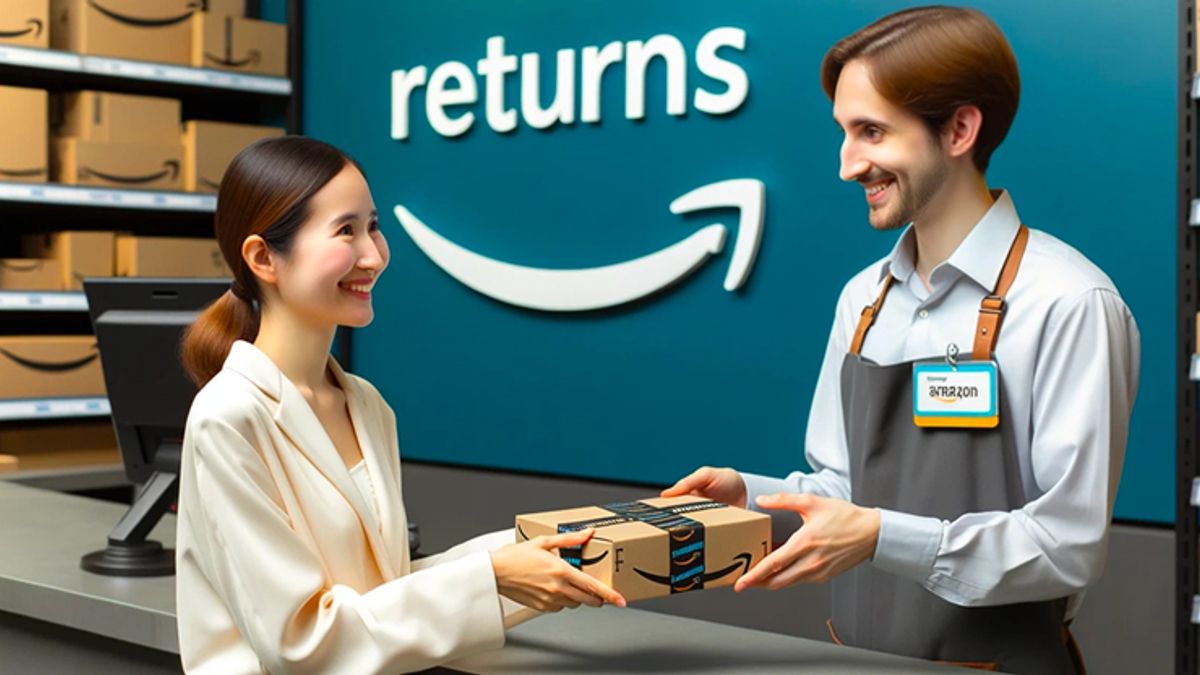
Key Dates for Amazon Black Friday Purchases
While the specific dates can shift slightly each year, Amazon generally designates a purchase window (starting around October 1st and running through December 31st) where items can be returned until the end of January of the following year. This means a product sold in early November during the Black Friday buildup may not be returned until 75 or 80 days later. This delay necessitates robust inventory planning and a careful review of cash flow. If you are struggling to manage the financial crunch caused by extended return holds, you might consider leveraging specialized financial tools, as discussed in our guide on Amazon Commercial Credit 2025.
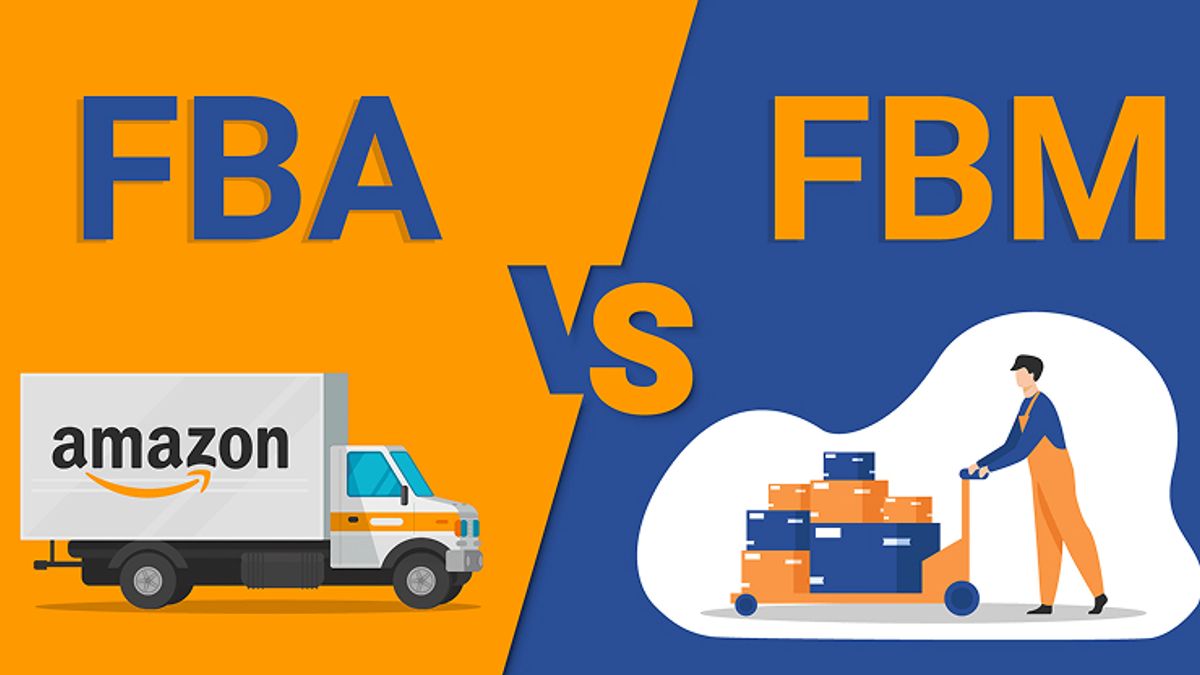
FBA vs. FBM: Who Handles the Logistics?
The mechanism of "how do you return things on amazon" varies dramatically depending on your fulfillment method:
Fulfillment by Amazon (FBA)
If you utilize FBA, Amazon manages the entire return logistics process. The buyer initiates the return through their account, prints a label, and ships the item back to an Amazon fulfillment center. Once Amazon receives and processes the item, the refund is automatically issued to the customer.
- Seller Responsibility: Monitoring the return status and disposition (resalable vs. unsellable).
- Financial Impact: Amazon deducts the refund amount from your balance immediately, regardless of whether the product has been physically received yet.
Fulfillment by Merchant (FBM)
FBM sellers maintain more control but also assume the heavy lifting. The seller is responsible for providing return labels (often pre-paid if the return is due to seller error or damage) and processing the refund manually once the item arrives at the seller’s facility.
- Seller Responsibility: Inspecting the returned item, assessing restocking fees (if applicable and within policy), and manually issuing the amazon refund policy credit.
- Financial Impact: The refund deduction only occurs when the seller authorizes it in amazon sellers central.
The Seller’s Cost of Returns: Beyond the Refund
Restocking Fees and Policy Compliance
While Amazon’s general policy leans heavily toward customer satisfaction, sellers—especially FBM sellers—can sometimes charge restocking fees for items returned outside the acceptable condition or window. However, this must be done carefully and strictly within Amazon's guidelines. * **Opened or Used Items:** If a non-defective item is returned opened, used, or damaged, you may be eligible to withhold a percentage of the refund (usually 20% to 50%). * **Late Returns:** If the item is returned after the extended window, you may also be eligible to apply a fee. It's crucial to document the condition of the returned item thoroughly. We highly recommend reviewing our comprehensive guide, The Seller's Guide to Amazon's Return Policy, for detailed strategies on reducing return costs and maintaining compliance.

Unsellable Inventory and FBA Impact
For FBA sellers, a significant concern is the "unsellable" designation. When an item is returned damaged or defective, Amazon marks it as unsellable. This triggers additional actions: 1. **Removal Order:** You must create a removal order to have the item shipped back to you for inspection. 2. **Disposal Fees:** If you choose to dispose of the inventory, Amazon charges a disposal fee. 3. **Potential Loss of Reimbursement:** If the damage occurred during shipment (by the carrier) or within the fulfillment center, you may be eligible for FBA reimbursement. If the damage was clearly caused by the customer (e.g., they returned an empty box or a substituted item), you must file a claim.
Protecting Your Profitability from Return Fraud and Abuse
The post-holiday return period is notorious for a spike in return fraud. This includes "item-swapping" (sending back a cheaper, similar item) and "empty box" scams. For sellers, these fraudulent returns are often followed by malicious feedback.

The Link Between Returns and Fake Negative Reviews
When a buyer attempts fraud and is subsequently denied a full refund or challenged by amazon sellers central, they frequently resort to leaving retaliatory negative reviews. These reviews often claim the product was "cheap," "defective," or "not as described," even if the return was fraudulent. This weaponization of the review system is a direct threat to your brand reputation and sales velocity. In our experience, sellers must be vigilant in identifying buyers who exhibit patterns of high return rates coupled with aggressive feedback. This type of fraudulent behavior is often tied to larger schemes, including refund fraud, which we cover extensively in our analysis of Amazon Gift Card Scams 2025.
How to Use an Amazon Review Checker Effectively
Effective management of Black Friday returns requires regular auditing within amazon sellers central. Simply trusting Amazon’s automated process can cost thousands in lost inventory.
Steps for Auditing Return Reports
We recommend sellers perform a detailed return audit at least once a week during the peak return period (January and February):
- Download the FBA Customer Returns Report: This report, found under the Reports > Fulfillment section, details every item returned via FBA.
- Examine the "Disposition" Column: This is crucial. If the disposition is "Sellable," the item goes back into your inventory. If it is "Unsellable," investigate the "Customer Return Reason."
- Flag Suspicious Returns: Look for generic reasons ("bought by mistake") paired with unsellable disposition. This often indicates the customer damaged the item or swapped it out.
- Check for Missing Returns: Ensure that all refunds issued have a corresponding received return. Amazon sometimes issues refunds before receiving the item back; if the item never arrives, you are entitled to reimbursement after 45 days.
Filing FBA Reimbursement Claims
If Amazon takes responsibility for the damage (e.g., "Damaged in FC" or "Carrier Damage") or if the customer refund was issued but the item was never returned, you must file a claim for reimbursement. This process can be tedious, requiring specific case logs and documentation, but it is vital for recovering lost capital. If you suspect organized fraud or competitor interference, this is also the time to gather evidence. The integrity of your listings is paramount, and protecting your brand reputation starts with actively managing every aspect of the sales cycle, including the return phase.
Strategic Review Management in the Post-Holiday Rush
The period immediately following the Black Friday return window—late January and February—is often when sellers face the highest risk of negative review attacks. Dissatisfied or fraudulent buyers who couldn't manipulate the refund process often turn to public feedback. To safeguard your brand integrity and boost your Seller Rating during this critical time, you need a strategy focused on both proactive review generation and aggressive defense.
Proactive Steps:
- Utilize Amazon’s Request a Review button for all satisfied customers.
- Monitor product reviews daily to respond professionally to legitimate complaints, showing E-E-A-T (Expertise, Experience, Authoritativeness, and Trust) to future buyers.
Defensive Steps:
If you encounter a retaliatory or fake negative review linked to a difficult return or refund dispute, swift action is necessary. These reviews drag down your product ranking and conversion rate. Knowing BlueBug.io specializes in identifying and removing malicious feedback is essential for maintaining a healthy listing.
When negative feedback is clearly non-compliant—perhaps mentioning the return shipping experience (an FBA responsibility) or containing outright falsehoods—it must be addressed immediately. Our proven methods ensure that illegitimate reviews are removed, restoring your product's credibility and maximizing your sales potential.
Frequently Asked Questions
After the extended holiday window (typically ending January 31st), Amazon reverts to its standard 30-day return policy. Items purchased starting in the new year must be returned within 30 days of receipt, unless the product category (like certain electronics or hazardous materials) has a shorter, specific policy.
Once the item is received by Amazon (for FBA) or the seller (for FBM), the refund is generally processed immediately. However, it can take anywhere from 3 to 10 business days for the funds to appear back on the customer’s original payment method, depending on the bank or credit card company involved.
Yes, but you are also entitled to reimbursement. If a customer returns an incorrect or substituted item, you must report this to Amazon Seller Support. Provide photos of the returned item and the tracking number. Amazon should reimburse you for the cost of the lost inventory once the fraud is verified. This type of return fraud is a common tactic leveraged by buyers looking to exploit the automatic nature of the FBA amazon refund policy.
Absolutely. While Amazon’s policy states that reviews should focus solely on the product and not the service provided by Amazon (FBA), buyers frequently leave negative feedback related to return disappointment, shipping issues, or refund disputes. If the review violates policy (e.g., mentions FBA service or customer service experience), sellers should seek professional review removal assistance.
Conclusion: Protecting Your Brand in the Post-Return Storm
The Black Friday return wave is an inevitable part of the Amazon sales cycle. While high sales figures are exciting, savvy amazon sellers understand that the true test of their operational efficiency and brand protection occurs in January and February. By mastering the amazon return policy, proactively auditing FBA reports, and recognizing the link between fraudulent returns and malicious feedback, you can minimize financial losses and safeguard your reputation. If you find your brand under attack from fake reviews stemming from fraudulent returns or competitor actions, don't let those negative ratings destroy months of hard work. Take back control of your product listings and profitability by utilizing a dedicated amazon negative review service.
For immediate help removing harmful, policy-violating feedback.
do not hesitate to Contact BlueBug’s Amazon Review Removal Service today. Protect your business with the experts at BlueBug.io.
Authoritativeness Note
1 refrences
Keep reading
How to sell products on amazon: Your 2026 Definitive UK Guide
How to sell products on amazon: Learn how to sell products on Amazon in 2026 with our comprehensive UK guide. Master setup, strategies, and review. Learn more.
Star rating calculator: Boost Amazon Sales & Remove Negative Reviews
Use our Star rating calculator to achieve your target rating on Amazon. Learn legal strategies to improve reviews and remove negative feedback for UK sellers.
Amazon sales business: Your 2026 Guide to Profit & Brand Protection in the UK
Master your amazon sales business in 2026 with our comprehensive UK guide. Learn models, strategies, and how to protect your brand. Contact Us today!