
Black Friday for Amazon Sellers: The Ultimate 2025 Playbook for FBA Success and Brand Protection
Don't let fake reviews, FBA errors, or suspensions ruin Black Friday. Get our guide for Amazon sellers on robust brand protection & logistics prep

Muhammed Nasser
November 12, 2025Key Takeaways
- FBA Inventory is Priority One: Sellers must adhere strictly to Amazon’s cutoff dates and utilize accurate forecasting to avoid costly stockouts or overages.
- Strategic Ad Spend: Black Friday requires significantly increased PPC budgets and aggressive bid management to capture high-intent shopper traffic.
- The Review Threat Multiplies: The high volume of sales attracts bad actors; proactive monitoring for fake negative reviews is essential to maintain conversion rates.
- Compliance is Key: High sales volume means increased risk of policy violations. Ensure all product listings and deals comply with Amazon’s latest rules to prevent suspension.
The Stakes are High: Why Black Friday is Crucial for Amazon Sellers
For many businesses operating on Amazon, the Q4 period—kicked off by Black Friday and leading into Cyber Monday and the holiday season—can account for up to 40% of their annual sales. This period is a make-or-break moment that dictates profitability for the entire year. The sheer volume of shoppers actively looking to purchase means visibility is maximized, but so is the competitive pressure. The influx of traffic means that your product listings are under intense scrutiny. A single poor metric, whether it's a stockout or a sudden drop in star rating, can severely impact your ranking and visibility, costing you hundreds of thousands in lost sales during the most lucrative week of the year.
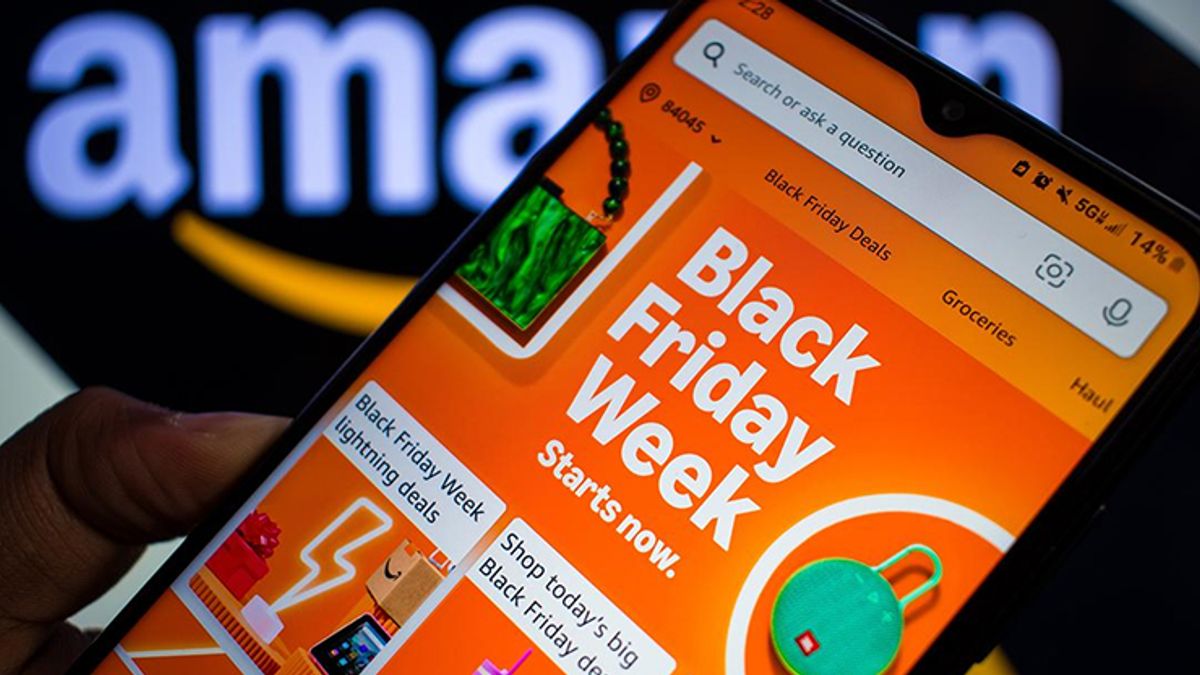
FBA Preparation: Mastering Inventory and Logistics
If you utilize Fulfillment by Amazon (FBA), your preparation for Black Friday must begin months in advance. Amazon’s deadlines are non-negotiable, and failing to meet them means your top-selling items could be stranded outside the fulfillment centers while your competitors clean up.
Inventory Forecasting and Stock Management
The core of Q4 success lies in having the right amount of stock in the right place. Understocking leads to frustrating stockouts and missed sales, while overstocking can negatively impact your Inventory Performance Index (IPI) score and lead to excessive storage fees. Accurate sales predictions are vital. To ensure you hit the sweet spot, it is imperative to focus on accurate FBA inventory forecasting, utilizing historical data from previous Q4s, and factoring in any planned promotional activities. Remember that Amazon requires BF inventory to be checked in and ready well before November, often as early as mid-October.
Optimizing FBA Shipping and Labeling
The logistical strain on Amazon during Q4 is immense. To prevent delays or errors that lead to lost inventory or unfulfillable shipments, ensure every FBA shipment adheres to Amazon’s precise guidelines. This includes using the "Send to Amazon" workflow correctly, accurately calculating package dimensions, and labeling every carton perfectly. Errors here could result in costly delays or, worse, temporary removal of your products from sale.
Skyrocketing Sales with Strategic Black Friday Deals
Simply being in stock is not enough; you must actively participate in the deal frenzy. Shoppers expect steep discounts on Black Friday, and utilizing Amazon’s deal mechanisms is the best way to gain featured placement.
Executing High-Impact Deal Submissions
Amazon offers various ways to promote your products, including Lightning Deals, 7-Day Deals, and Prime Exclusive Discounts. For Black Friday, ensure your deals are submitted and approved early. These deals must meet strict criteria regarding historical pricing and discount percentage. A compelling deal can significantly boost organic rank, which sustains sales long after the holiday ends.
Aggressive PPC Strategy
Your Amazon Ads strategy must shift from steady growth to aggressive harvesting. Competitor bids skyrocket during this period, so a corresponding increase in budget and bid amounts is necessary to maintain visibility.
- Budget Increase: Plan to increase daily budgets by 200-300% during the BF/CM weekend.
- Bid Adjustments: Focus heavily on top-of-search placements for high-intent, short-tail keywords.
- Defensive Targeting: Run heavily funded Sponsored Brand campaigns targeting your own brand name to prevent competitors from poaching high-value traffic.
The Q4 Threat: Protecting Your Brand from Fake Reviews and Fraud
The massive increase in sales volume attracts not only legitimate customers but also malicious competitors and sophisticated fraudsters. For Amazon sellers, the biggest threat during Black Friday isn't running out of stock—it's having your conversion rate torpedoed by a sudden influx of negative fake reviews.
The Surge in Malicious Activity
During peak shopping events, competitors often launch coordinated review attacks, purchasing fake negative reviews to sabotage rivals. This tactic is extremely effective because shoppers are making quick purchase decisions based almost entirely on star ratings and recent feedback. If your 4.5-star rating suddenly drops to 3.8 stars due to a coordinated attack, your sales will plummet instantly. Furthermore, the high transaction volume masks sophisticated refund fraud and fake review schemes, which hit sellers hard by draining cash flow and damaging account health.
Proactive Review Monitoring and Defense
Protection must be proactive. You need systems in place to monitor review velocity and identify suspicious patterns immediately. Look for these red flags:
- A cluster of 1-star reviews posted within a 24-hour window.
- Reviews that use identical or highly similar phrasing.
- Reviews that mention competitor products or irrelevant issues (like FBA shipping problems).
If you detect a coordinated attack, time is of the essence. Waiting for Amazon Seller Support to manually investigate can take weeks, during which your Black Friday sales opportunity will vanish. This is where professional intervention is critical. If you are facing a malicious campaign that threatens your peak revenue, utilizing an amazon negative review service is the fastest way to mitigate damage. These services specialize in identifying policy-violating reviews and accelerating their removal, often succeeding where general Seller Support fails.

Post-Black Friday Management: Follow-Up and Review Solicitation
Once the dust settles, the work isn't over. The sheer number of transactions executed over the weekend means a corresponding spike in returns and legitimate feedback—both positive and negative.
Encouraging Authentic Feedback
Use Amazon’s Request a Review button or automated tools to solicit feedback from your surge of new customers. This is the legitimate way to drown out any malicious attacks with genuine, verified purchase reviews. For tips on how to spot fake Amazon reviews and remove them safely, consult our detailed guide.
Handling the Inevitable Returns Spike
High sales volume inevitably leads to high returns. Ensure your customer service responses are rapid and professional. Unmanaged return velocity or negative seller feedback can threaten your account health, even if the returns are buyer-faulted. The National Retail Federation (NRF) monitors holiday spending closely, often showing that Black Friday continues to break records year after year, emphasizing the financial importance of this day for e-commerce sellers (Source: National Retail Federation).
Frequently Asked Questions
While exact dates shift annually, Amazon typically requires FBA inventory for Black Friday and Cyber Monday to arrive at fulfillment centers by early-to-mid November. However, it is always safest to aim for an arrival date of mid-October, allowing buffer time for shipping delays and check-in processing.
Most amazon sellers should plan to increase their daily PPC budgets by at least 200% to 300% for the Black Friday/Cyber Monday weekend. Competition is highest on these days, and running out of budget before the prime shopping hours are over is a costly mistake. Monitor performance hourly and adjust bids dynamically.
Beyond inventory stockouts, the biggest risk is the sudden, strategic deployment of negative fake reviews by competitors. Because conversion rates are so dependent on star ratings during high-traffic periods, these attacks can obliterate sales instantly. Proactive monitoring and rapid removal action are essential safeguards.
Yes, often. While the immediate profit margin on a Black Friday deal may be thin, the primary benefit is the massive boost in sales velocity and organic ranking. This temporary boost can position your product at the top of search results for weeks afterward, providing long-term sales benefits that far outweigh the short-term discount cost.
Protect Your Peak Sales
Black Friday is a high-reward environment that demands peak performance from every FBA seller. Success hinges not just on having great deals and sufficient inventory, but on the ability to defend your hard-earned reputation when it matters most. Don't let competitor fraud or malicious fake reviews steal your Q4 profits. If your listings are compromised by fraudulent negative feedback during this critical sales period, immediate action is required.
Protect your brand and maximize your revenue potential
Contact BlueBug’s Amazon Review Removal Service today, or visit BlueBug.io to learn how our expert team secures your listings against malicious attacks.
Keep reading
How to sell products on amazon: Your 2026 Definitive UK Guide
How to sell products on amazon: Learn how to sell products on Amazon in 2026 with our comprehensive UK guide. Master setup, strategies, and review. Learn more.
Star rating calculator: Boost Amazon Sales & Remove Negative Reviews
Use our Star rating calculator to achieve your target rating on Amazon. Learn legal strategies to improve reviews and remove negative feedback for UK sellers.
Amazon sales business: Your 2026 Guide to Profit & Brand Protection in the UK
Master your amazon sales business in 2026 with our comprehensive UK guide. Learn models, strategies, and how to protect your brand. Contact Us today!