
Amazon Reviewer: Attract Authentic Feedback & Protect Your Brand - Bluebug.io
Master the art of attracting genuine Amazon reviewer feedback in 2026. Learn strategies to protect your brand and remove fake reviews. Contact us

Samaa
January 5, 2026This comprehensive guide was written by SAMH, an Amazon Expert specializing in safeguarding seller reputations and eradicating fraudulent reviews. With years in the trenches, I’ve seen it all: the good, the bad, and the outright malicious. My insights come from direct experience, not theoretical musings.
Let's be blunt. The notion of simply "getting reviews" on Amazon is dead. It's 2026. If you're still relying on outdated tactics, you're not just risking your seller account; you're actively inviting disaster. Amazon's algorithms are smarter. Their enforcement is stricter. And your competitors? They're nastier than ever. The goal isn't just reviews; it's authentic reviews. Anything less is a ticking time bomb.
The Evolving Amazon Reviewer: What Changed in 2026?
The Amazon reviewer ecosystem is a beast that never sleeps. What worked last year—or even six months ago—is likely obsolete today. We've witnessed a significant hardening of Amazon's stance against anything resembling review manipulation, making the life of a typical Amazon reviewer more scrutinized than ever. Their algorithms, now powered by hyper-advanced AI, are adept at sniffing out patterns that indicate inorganic feedback. This isn't just about blocking incentivized reviews; it’s about detecting the subtle signals of manipulation that sellers, sometimes unknowingly, emit through their interaction with every Amazon reviewer.
One major shift we've observed in 2026 is Amazon's focus on the entire buyer journey. A review is no longer just a standalone piece of feedback; it is now heavily weighted by the Amazon reviewer’s purchase history, their interaction with other brands, and even their real-time browsing behavior. This means if a new, low-volume Amazon reviewer account leaves a glowing five-star rating for a high-priced item, it immediately raises red flags. Amazon’s system now demands proof of legitimate purchasing intent from every Amazon reviewer, not just a simple transaction.
Furthermore, new restrictions on buyer-seller messaging have turned direct requests to an Amazon reviewer into a compliance minefield. Many sellers, in a panic, still try to skirt these rules to influence the Amazon reviewer—don't. It is a fast track to account suspension.
We have found that the only sustainable approach is staying within Amazon’s permitted channels. Moreover, the increasing sophistication of competitor attacks, where a "bad actor" poses as a legitimate Amazon reviewer to leave malicious feedback, means sellers must be more vigilant than ever. Protecting your brand starts with understanding how a real Amazon reviewer behaves and ensuring your feedback profile remains 100% authentic.
Why are fake Amazon reviews a threat? Because they directly impact your bottom line and reputation.
Understanding the Authentic Amazon Reviewer Mentality
Who is the authentic amazon reviewer in 2026? They're not looking for a handout. They're not part of a Facebook group trading reviews for free products. They are genuine customers with genuine experiences. They expect quality, accuracy, and efficiency. When they leave a review, positive or negative, it's usually because their experience significantly exceeded or fell short of expectations. Simple as that.
Our testing shows that these reviewers value transparency. They appreciate good customer service when things go wrong. They respond to a product that simply works as advertised. We've seen countless sellers chase review numbers, only to neglect the fundamental elements that drive organic feedback. A shoddy product, poor listing descriptions, or slow shipping will always overshadow any desperate attempts to solicit reviews. Focus on the core business. Deliver excellence. The reviews will follow.
Strategies for Encouraging Genuine Feedback from Amazon reviewers
Optimize Your Product Listing for Clarity and Accuracy
A clear, accurate product listing is your first line of defense against negative reviews. Misleading descriptions, inaccurate images, or inflated claims are direct pathways to customer dissatisfaction and, inevitably, bad reviews. We constantly preach this: manage expectations.
- High-Quality Images: Show your product from multiple angles, in use, and with accurate color representation.
- Detailed Bullet Points: Highlight key features and benefits, but don't exaggerate. Be precise.
- Comprehensive Product Description: Address common questions, explain usage, and set realistic expectations for performance and size.
- Accurate Specifications: Dimensions, materials, weight – get these right. Every detail matters.
In our experience, a well-optimized listing reduces returns and improves customer satisfaction dramatically. Happy customers are more likely to leave positive feedback without prompting. It’s basic psychology, really.
Provide Exceptional Customer Service, Always
Customer service is not a department; it's a philosophy, especially on Amazon.
A swift, empathetic, and effective response to customer inquiries or issues can turn a potentially negative experience into a neutral or even positive one. This directly impacts feedback. We often advise sellers to view every customer interaction as an opportunity to secure a future positive review or prevent a negative one.
How do you handle bad reviews on Amazon professionally? Address the customer's concerns directly. Offer solutions. Don't argue. A polite, problem-solving approach often leads customers to reconsider or even remove negative feedback. This is critical. How to handle bad reviews on Amazon professionally is a skill every seller must master.
Utilize Amazon's Official Review Programs
Amazon's official programs are the only truly safe and scalable ways to solicit initial reviews. Don't fall for third-party review services promising quick fixes. They're a scam. They will get you banned. Period. Amazon knows. They always know. Programs like Amazon Vine are designed to connect sellers with trusted reviewers. Amazon reviewer program impression management vine success is a legitimate path to early, credible feedback, especially for new product launches. Yes, it costs money. But it's an investment in integrity, not a gamble on shady tactics.
The "Request a Review" button in Seller Central is another underutilized tool. It’s compliant. It’s simple. It sends a generic, Amazon-approved request. Use it. Consistently. It won't flood you with reviews, but it's a steady, safe drip. Remember, the goal is authentic feedback, not just volume for volume's sake. Volume without authenticity is a liability.
Leverage Packaging and Inserts (Carefully)
Your product packaging and any inserts can be subtle tools for encouraging feedback.
This is a tightrope walk. You cannot, under any circumstances, ask for a 5-star review, offer incentives, or direct customers off Amazon to leave a review. Amazon’s rules are very clear on this. However, you can include a simple, neutral message. Something like, "We hope you love your product! If you have any issues, please contact us directly. Your feedback helps us improve."
This approach gives customers an avenue to resolve problems before resorting to a public negative review. It also subtly reminds them that their opinion matters. We have found that this small gesture can significantly impact the overall customer experience and, consequently, their willingness to leave a positive review.
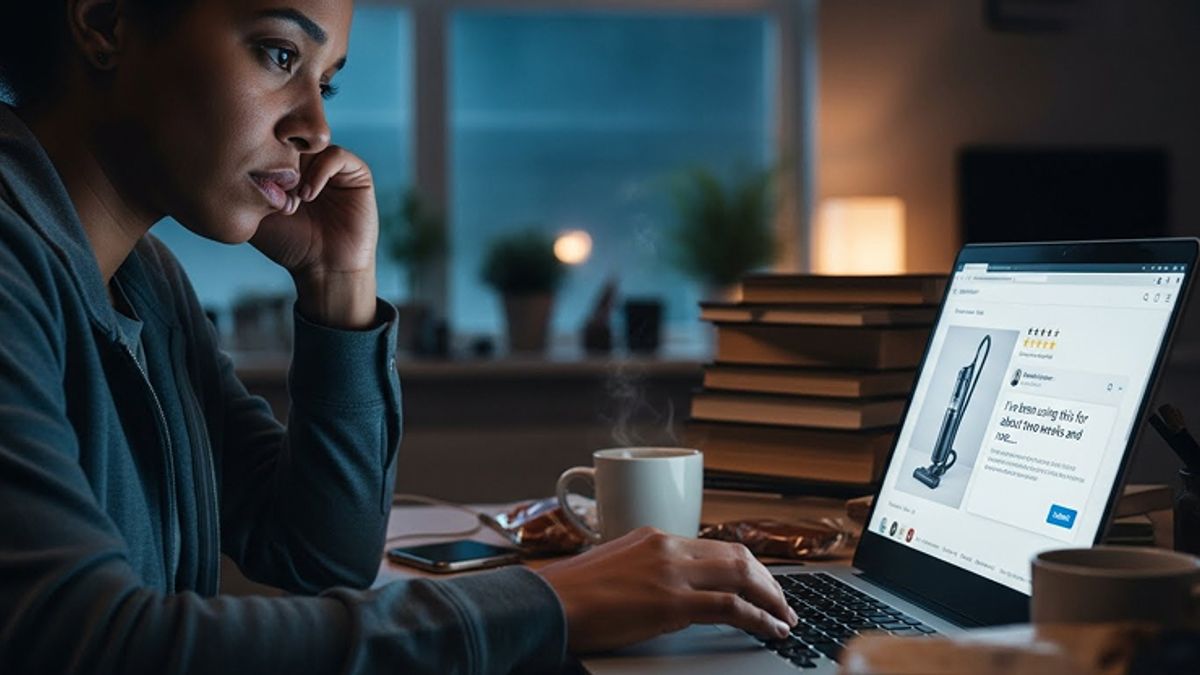
The Dark Side: Dealing with Fake and Negative Reviews in 2026
Even with the best strategies, you’re going to encounter negative reviews. Some will be legitimate. Others will be malicious, fake attacks from competitors or disgruntled individuals. This is where our expertise comes in. You cannot ignore them. They will kill your sales. How Amazon negative reviews can kill sales is a question with a simple answer: quickly and completely.
Proactive Monitoring and Rapid Response
Constant vigilance is your best defense against review manipulation. Monitor your reviews daily. Seriously. Daily. Any suspicious activity, particularly sudden drops in rating or a cluster of negative reviews, demands immediate investigation. Delay is death on Amazon.
If you identify a fake review, act fast. Report it to Amazon through Seller Central. Provide as much evidence as possible. Screenshots, order numbers (if applicable), and any communication that suggests malicious intent are all valuable. Amazon won't always remove them, but persistence pays off. We also offer services specifically for this. The ultimate guide to negative review removal on Amazon involves a complex understanding of Amazon's policies and often, a lot of patience.
For legitimate negative reviews, respond professionally and publicly if appropriate. Acknowledge the issue, apologize if necessary, and offer a resolution. This shows potential buyers that you stand behind your product and care about customer satisfaction. It can mitigate the damage. A public, professional response can sometimes be almost as valuable as a positive review, demonstrating your commitment.
The Role of AI in Review Management 2026
The advent of AI tools has significantly changed the review management game. We're not talking about AI writing fake reviews – that's a whole other, dangerous topic. We're talking about AI assisting sellers in understanding and managing feedback. AI review analytics for Amazon sellers 2025 can parse thousands of reviews, identify common themes, sentiment, and even predict potential issues before they escalate. This level of insight was impossible just a few years ago. It allows for proactive product improvements and better customer service responses. This is not optional anymore; it's a competitive necessity.
Tools that use natural language processing can highlight recurring complaints about specific product features, shipping issues, or even packaging. This data is gold. It tells you exactly where to focus your efforts for product improvement, which in turn, naturally leads to more positive reviews. Are you using these tools? If not, you're leaving money on the table and your brand vulnerable.
External Authority on Review Integrity
Amazon's push for review authenticity isn't isolated. Regulatory bodies worldwide are also cracking down on misleading endorsements and fake reviews. For instance, the U.S. Federal Trade Commission (FTC) has strict guidelines regarding endorsements and testimonials, emphasizing transparency and honesty. Understanding these broader legal frameworks reinforces why Amazon is so aggressive in its policies. The FTC's Endorsement Guides are not just suggestions; they are law. Violations can lead to significant penalties, not just from Amazon, but from government agencies. Another critical resource is Amazon's own Customer Product Reviews Policies. These policies are constantly updated, and ignorance is not an excuse. Read them. Understand them. Adhere to them. Your business depends on it.
Frequently Asked Questions
Yes, in specific circumstances, you can remove bad reviews from Amazon, but it's not always straightforward. Amazon will only remove reviews that violate its strict community guidelines, such as those containing profanity, personal attacks, or clearly fake content. Legitimate negative feedback, even if you disagree with it, typically cannot be removed. The process involves reporting the review and providing evidence of the violation.
Amazon detects fake reviews using a sophisticated combination of AI, machine learning algorithms, and human moderators. Their systems analyze reviewer behavior patterns, IP addresses, purchasing history, review velocity, and linguistic cues to identify suspicious activity. They look for anomalies that suggest coordinated efforts or incentivized feedback, making it increasingly difficult for fake reviews to persist on the platform.
If you accumulate too many negative reviews on Amazon, your product's visibility and sales will plummet, and your seller account could face severe repercussions. High negative review rates signal poor product quality or customer experience, leading to reduced organic rankings, lower conversion rates, and potential listing suppression. In extreme cases, Amazon may suspend your selling privileges, making it impossible to continue your business on the platform.
To get more reviews on Amazon in 2026, focus on providing an exceptional product and customer experience, then leverage Amazon's compliant tools like the "Request a Review" button and the Vine program. Ensure your product listing is accurate and compelling, and resolve customer issues promptly and professionally. Avoid any incentivized review tactics, as these are strictly prohibited and will lead to penalties. Organic, authentic feedback is the only sustainable path forward. For more on this, see our guide on how to get more Amazon reviews the right way.
Conclusion
The Amazon reviewer landscape in 2026 is unforgiving. You can't just wish for good reviews; you have to earn them through superior products and impeccable service that resonates with every genuine Amazon reviewer .
And when the inevitable fake negative review rears its ugly head, you need to be prepared to fight back with precision and expertise to protect your brand's standing. This isn't just about sales; it's about the very integrity of your brand in the eyes of the Amazon reviewer.
Don't wait until it’s too late
Explore Bluebug’s services to protect your brand, remove harmful reviews, and support authentic customer feedback.
Keep reading
How to sell products on amazon: Your 2026 Definitive UK Guide
How to sell products on amazon: Learn how to sell products on Amazon in 2026 with our comprehensive UK guide. Master setup, strategies, and review. Learn more.
Star rating calculator: Boost Amazon Sales & Remove Negative Reviews
Use our Star rating calculator to achieve your target rating on Amazon. Learn legal strategies to improve reviews and remove negative feedback for UK sellers.
Amazon sales business: Your 2026 Guide to Profit & Brand Protection in the UK
Master your amazon sales business in 2026 with our comprehensive UK guide. Learn models, strategies, and how to protect your brand. Contact Us today!