
Amazon Review Checker: Crucial Post-Black Friday Scams
Amazon sellers must deploy a review checker post-Black Friday to combat fake negative reviews, competitor attacks, and fraud. Protect your brand

Muhammed Nasser
November 18, 2025For amazon sellers, the blackfriday rush is a double-edged sword. While the sales volume is exhilarating, the period immediately following—the return window—is often a breeding ground for scams, malicious attacks, and fraudulent reviews. This post-holiday chaos demands immediate vigilance, making a robust Amazon review checker an indispensable tool, not a luxury.
In our experience, this surge in activity is often exploited by bad actors seeking to leverage the high traffic volume to damage competitors or execute complex refund fraud schemes. Ignoring your review section now is akin to leaving the vault door open.
Key Takeaways
- Post-Black Friday is the peak season for malicious competitor attacks and fake negative reviews.
- Fraudulent buyers often use the holiday return window to execute refund scams and then leave retaliatory feedback.
- An Amazon review checker is essential for filtering legitimate customer service issues from policy-violating fraud.
- Failing to address fake reviews quickly can trigger Amazon account health warnings and suppress product rankings.
- Specialized services like those offered by BlueBug.io provide the expertise needed to effectively remove fraudulent feedback.
The Post-Black Friday Review Tsunami: Understanding the Risk
The weeks following Black Friday and Cyber Monday represent the highest sales period of the year. Naturally, this high volume leads to a higher volume of reviews—both positive and negative. However, this period also sees a dramatic spike in sophisticated review manipulation tactics.
Why is the post-Black Friday environment so dangerous for amazon sellers?
- Increased Anonymity: High traffic volume makes it easier for fraudulent accounts to blend in.
- Competitor Aggression: Sellers who missed out on sales often turn to dirty tricks to hurt top-ranking listings.
- Return Volume: The extended holiday return policy creates opportunities for refund fraud and review extortion.

Black Friday Review Tsunami
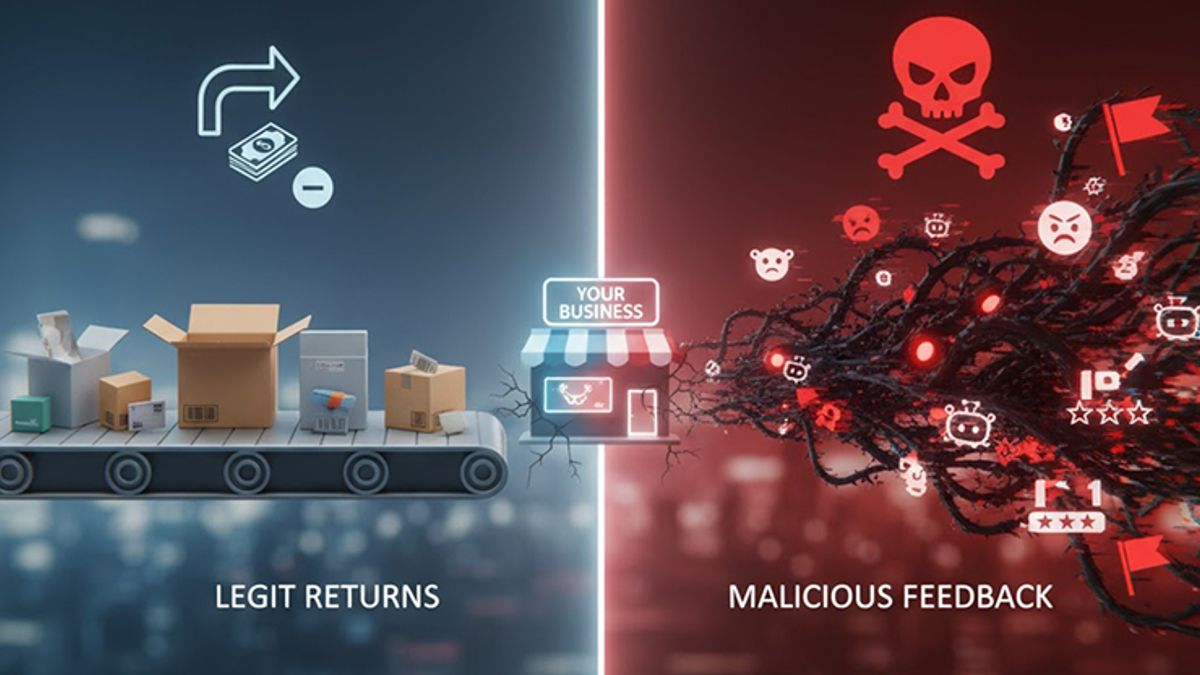
The Dual Threat: Legit Returns vs. Malicious Feedback
A legitimate negative review stemming from a product defect or shipping delay is a customer service challenge that needs a professional response. However, a fake negative review—often left by a competitor or a scammer who never intended to keep the product—is a policy violation that requires immediate removal.
Distinguishing between the two manually is incredibly time-consuming, especially when managing hundreds of reviews. A dedicated review checking tool uses advanced algorithms to analyze reviewer history, purchase patterns (or lack thereof), language anomalies, and timing to flag suspicious activity, helping you identify reviews that are ripe for removal.
Competitor Attacks: The Dark Side of Q4
When millions of dollars are on the line, some competitors abandon ethical practices. Post-blackfriday, we routinely observe sellers employing "review bombing" techniques, where multiple 1-star reviews are posted in a short time frame across a competitor's top-selling products. These attacks are designed to instantly tank your star rating and push you down the search results during the critical final weeks of Q4.
Identifying these attacks requires tools that can look beyond the listing itself. They must analyze the velocity, source IP (where possible), and textual patterns of the negative feedback. If you suspect that fraudulent competitors are targeting your brand, it’s vital to know how to detect and report fraudulent competitors before the damage becomes irreversible.

Identifying Review Bombing Patterns
Review bombing is rarely subtle to an expert eye. Key indicators that your negative reviews are malicious include:
- Generic, vague language that doesn't mention specific product features.
- A sudden influx of 1-star ratings without corresponding verified purchase badges.
- Reviewer profiles with sparse history or a history of leaving 1-star ratings for unrelated products.
In our experience at BlueBug.io, timely detection is 90% of the battle. The other 10% is knowing the precise language and evidence required to submit an effective removal request to Amazon.
Refund Fraud and Review Extortion
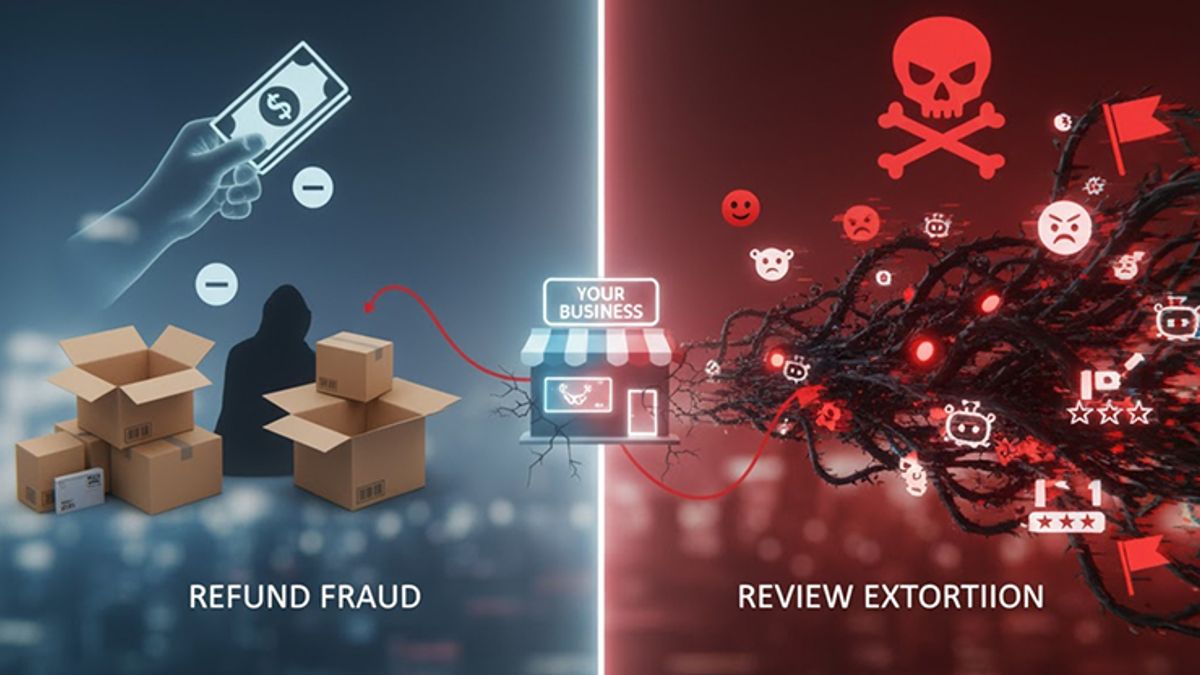
The holiday shopping season often brings with it an increase in sophisticated fraud. One growing threat to amazon sellers involves refund fraud, particularly those schemes tied to fake reviews. This is where the importance of an Amazon review checker truly shines.
Some fraudulent buyers exploit Amazon’s return policies (especially the extended holiday windows) to claim the item was never received, damaged, or swapped for a non-working unit, demanding a refund or gift card. When a refund is denied or delayed, these users often retaliate by leaving a devastating, policy-violating review. This connection between financial fraud and negative feedback is a serious issue, as detailed in our guide on Amazon Gift Card Scams 2025: How Refund Fraud & Fake Reviews Are Hitting Amazon Sellers Hard.
The Connection Between Returns and Fake Reviews
When a buyer attempts to extort a seller—whether for a free product, an excessive discount, or a full refund outside of policy—and the seller refuses, the buyer’s next move is frequently to weaponize the review system. These reviews often violate Amazon’s Communication Guidelines (mentioning customer service disputes) or its Content Guidelines (using abusive language or posting irrelevant information).
The challenge for the seller is linking the fraudulent interaction (often via Buyer-Seller Messaging) directly to the resulting negative review. A specialized amazon negative review service uses sophisticated tracking to connect these dots, providing the concrete evidence needed for policy-based review removal.
How an Amazon Review Checker Protects Your Bottom Line
Using a dedicated tool is no longer optional; it’s a foundational requirement for brand protection. If you want to know How to Use an Amazon Review Checker to Protect Your Business, the answer lies in automation and expertise.
Automated Detection and Vetting
A quality review checker (or a service that utilizes one, like BlueBug.io) operates 24/7, applying advanced analytics that humans cannot match. These tools are far superior to simple manual checks, offering features like:
- Velocity Monitoring: Alerting you immediately when a suspicious cluster of reviews appears.
- Reviewer Profile Deep Dive: Checking if the reviewer has a history of policy violations or is a known bad actor. For example, tools provide better insights than simply relying on Amazon’s public-facing profiles. For alternatives to traditional methods, see our guide on Fakespot Alternatives: Your 2025 Guide to Detecting Fake Amazon Reviews.
- Text Analysis: Flagging reviews that use banned terminology or suggest non-product related issues (like FBA shipping errors).
Protecting your product listings from fraudulent reviews is critical because fake reviews are a threat that directly impacts your conversion rates and overall rank. Amazon's system is highly sensitive to recent negative feedback, which can drastically reduce the efficacy of your holiday ad spend.
Implementing a Proactive Review Removal Strategy
Many sellers spend precious hours trying to appeal reviews only to receive canned responses from Amazon Seller Support. This is often because the appeal lacked the specific language or evidence Amazon requires to confirm a policy violation. Having a strong strategy in place for Q4 preparation is paramount, as detailed in Amazon Sellers & Black Friday 2025: How to Skyrocket Sales, Avoid Fake Reviews, and Stay Suspension-Free.
When dealing with reviews that violate Amazon’s policies—such as those involving extortion or competitor malice—you need a specialist who understands the legal and technical nuances of review removal. For a comprehensive strategy, review our guide on How to Remove Negative Amazon Reviews (The Complete 2025 Guide).
Expert Tip: When submitting evidence of review manipulation, cite the specific section of Amazon’s policy that has been violated. For example, if a competitor is manipulating search results through false reviews, this falls under the "Misuse of Ratings, Feedback, or Reviews" policy (Source: Amazon Seller Central Policy on Prohibited Seller Activities).

Frequently Asked Questions
You should act immediately. Negative reviews—especially fake ones—have the greatest impact within the first 48 hours, as they are fresh and heavily weighted by Amazon’s algorithm. Rapid detection using a review checker allows you to compile evidence and submit an appeal before the review causes significant damage to your conversion rates and ranking.
While a single fake negative review is unlikely to cause a suspension, the systemic misuse of the review system by competitors can trigger Amazon’s internal fraud detection mechanisms. If Amazon perceives a pattern of manipulation (even if you are the victim), or if your overall account health metrics (like ODR) drop due to unchecked negative feedback, you risk investigation and potential suspension. Protecting your brand includes ensuring your listings aren't collateral damage in a fraud war.
Yes, provided you use a reputable, policy-compliant service. Services like BlueBug.io specialize in submitting removal requests based *only* on policy violations and concrete evidence, ensuring compliance with Amazon’s Terms of Service. It is crucial never to attempt to buy or trade reviews, as this is a direct violation.
Amazon requires compelling evidence that the review violates a specific policy. This evidence might include IP address data (if accessible), proof of communication showing extortion or threats, or algorithmic evidence demonstrating clear review abuse patterns (e.g., the reviewer has never purchased the product). Services that offer an amazon negative review service are adept at gathering and presenting this level of technical evidence.
Conclusion: Secure Your Q4 Success with BlueBug.io
The post-Black Friday period is a critical vulnerability point for amazon sellers. The increased volume of returns, combined with heightened competitor activity, creates a perfect storm for review fraud. Your success relies not only on the sales you made but on your ability to defend your brand reputation against malicious attacks.
Don’t let fake reviews erode your hard-earned holiday profits.
Bluebug helps sellers handle suspicious reviews, build strong evidence, protect listings, and safeguard brand integrity.
Keep reading
How to sell products on amazon: Your 2026 Definitive UK Guide
How to sell products on amazon: Learn how to sell products on Amazon in 2026 with our comprehensive UK guide. Master setup, strategies, and review. Learn more.
Star rating calculator: Boost Amazon Sales & Remove Negative Reviews
Use our Star rating calculator to achieve your target rating on Amazon. Learn legal strategies to improve reviews and remove negative feedback for UK sellers.
Amazon sales business: Your 2026 Guide to Profit & Brand Protection in the UK
Master your amazon sales business in 2026 with our comprehensive UK guide. Learn models, strategies, and how to protect your brand. Contact Us today!