
Amazon Return Pallets: UK Seller's 2026 Guide to Maximizing Profit
Unlock the potential of Amazon Return Pallets in the UK. This 2026 guide covers buying, reselling, and legal compliance. Protect your brand today.

Samaa
August 13, 2026This comprehensive guide is designed for UK Amazon sellers looking to understand and profit from returned merchandise. It addresses the core search intent of finding, evaluating, and successfully reselling these bulk lots. Unlock significant profit potential by understanding Amazon Return Pallets. This guide helps UK sellers master sourcing, valuation, and reselling, transforming returned goods into revenue and protecting their business from common pitfalls.
What Exactly Are Amazon Return Pallets?
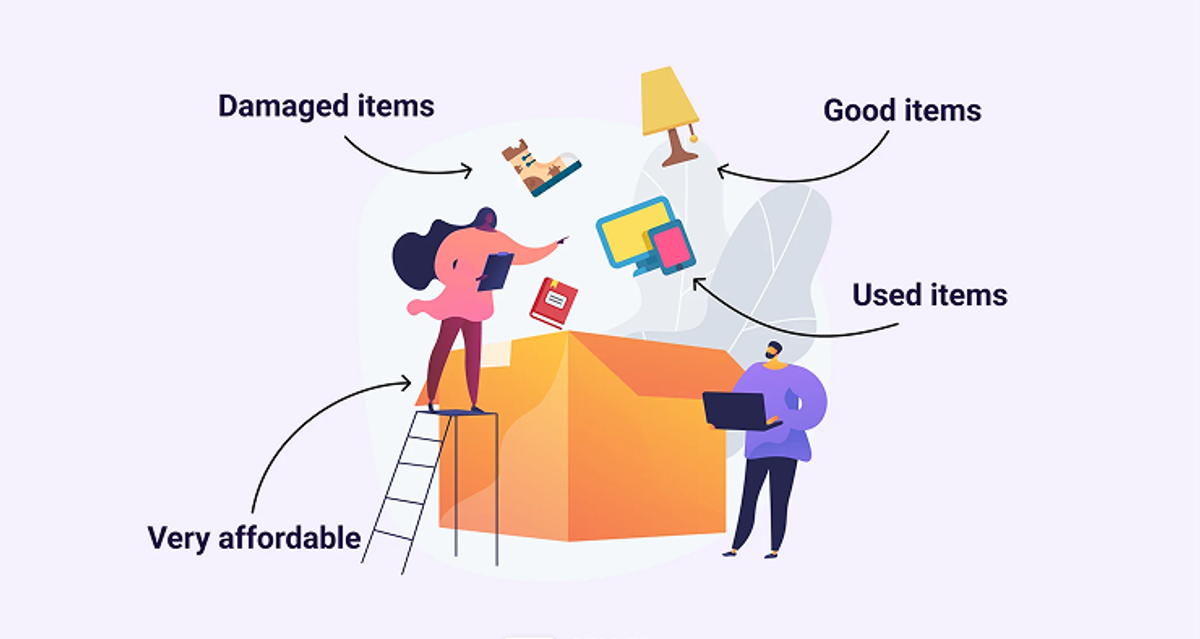
These bulk lots of merchandise are items that customers have returned to Amazon, or goods that are overstock, shelf pulls, or damaged in transit. Instead of returning these items to stock, Amazon often sells them off in large quantities to third-party liquidators.
These pallets are a primary avenue for sellers and entrepreneurs to acquire goods at a fraction of their retail price. They represent a complex ecosystem of inventory management and secondary markets.
Understanding the "Mystery Box"
While some pallets come with detailed manifests, many are sold as "unmanifested" lots, creating a "mystery box" scenario. This unpredictability is both the allure and the primary risk.
Buyers hope for high-value items, but must also be prepared for a mix of conditions, from brand new to heavily used or non-functional. Careful research and risk assessment are vital before purchase.
Why Do These Return Pallets Exist? The Liquidation Process Explained
The sheer volume of e-commerce returns makes it impractical for Amazon to individually inspect, repackage, and relist every item. Liquidating these goods is a cost-effective solution.
This process clears warehouse space, recovers some capital, and prevents returned items from becoming a complete loss. It fuels a massive secondary market.
The Scale of E-commerce Returns in 2026
E-commerce return rates are substantial and continue to impact retailers globally. In 2025, the average online return rate was 19.3%, with an expected rate of 19% in 2026. Digital Commerce 360 (via B-Stock Solutions) reports that U.S. e-commerce sales surpassed $1 trillion in 2025, underlining the immense volume of goods in circulation.
With over 9.7 million sellers on the Amazon Marketplace as of January 2025, the flow of returned and overstock inventory is constant. This creates a continuous supply of liquidation inventory for the secondary market.
Amazon's Strategy for Unwanted Inventory
Amazon partners with major liquidation companies to offload these goods efficiently. This prevents warehouses from becoming clogged with unsellable items, ensuring smooth operations for new inventory.
The liquidation strategy allows Amazon to recoup a portion of its losses while providing a steady supply of inventory for the resale market.
Types of Amazon Return Pallets: What to Expect
Not all bulk return lots are created equal. Understanding the different classifications helps buyers make informed decisions and manage expectations. Each type carries its own risk-reward profile.
New, Used, Salvage: Decoding Pallet Conditions
Pallets are typically categorized by the condition of their contents:
- New Condition: Items that are new, often still in original packaging, but may have been returned due to buyer's remorse or minor packaging damage.
- Customer Returns / Used: Goods returned by customers, ranging from lightly used to significantly worn. These are the most common type of liquidation pallets.
- Salvage / Untested: Items that may be damaged, non-functional, or simply untested. These carry the highest risk but can yield significant profits if repairable.
Categorized vs. Unmanifested Pallets
The level of detail provided about the pallet's contents varies:
- Manifested Pallets: Come with a list of items, quantities, and often their original retail prices. This reduces risk but usually comes with a higher purchase price.
- Unmanifested Pallets: Often called "mystery pallets," these offer little to no detail about their contents. They are cheaper but carry higher risk due to the unknown nature of the goods.
- Categorized Pallets: These pallets contain items from a specific product category, such as electronics, home goods, or clothing. This allows buyers to specialize.
Is Buying Amazon Return Pallets Profitable? Realities vs. Expectations
Many entrepreneurs are drawn to the idea of buying these bulk returns with the promise of high profits. While profitability is certainly possible, it requires a realistic understanding of the market, diligent work, and a strategic approach.
It's not a get-rich-quick scheme, but a legitimate business model for those willing to put in the effort.
Calculating Potential ROI for Amazon Customer Returns for Sale
To assess profitability, you must factor in all costs:
- Purchase price of the pallet.
- Shipping and handling fees.
- Storage costs.
- Time and materials for sorting, cleaning, testing, and repairing.
- Selling fees (e.g., eBay, Amazon FBA, local markets).
- Marketing costs and your own labor.
Your potential ROI depends heavily on the condition of items, your ability to repair, and your chosen sales channels. A thorough understanding of Amazon's return policy can also inform your expectations.
Is it worth buying Amazon return pallets?
The sentiment on Reddit often highlights the mixed bag nature of these liquidation lots. Many users confirm it can be profitable for those who are patient, skilled in repair, and have good sales channels. However, others warn of significant losses due to damaged goods or unsellable inventory. It's a high-risk, high-reward venture.
Where to Buy Amazon Return Pallets: A Comprehensive Guide to Liquidation Platforms
Sourcing is the first critical step. A variety of platforms offer Amazon liquidation auctions, each with unique features, inventory types, and bidding processes. Choosing the right platform for your needs is essential.
Evaluating Platforms: What to Look for When Buying Amazon Pallets for Resale
When choosing a platform, consider:
- Manifest Quality: Is detailed information provided?
- Shipping & Logistics: UK-based shipping options, collection availability, costs.
- Customer Support: Responsive and helpful service for issues.
- Payment Terms: Accepted methods, payment deadlines.
- Reviews & Reputation: Check independent reviews and feedback from other buyers.
Which liquidation sites are legitimate for Amazon returns?
Quora discussions frequently highlight B-Stock Supply UK and Liquidation.com as legitimate options, often advising new buyers to start with smaller lots or manifested pallets to minimize risk. Transparency and detailed descriptions are key indicators of a reputable seller.
How to Buy Amazon Return Pallets: A Step-by-Step Process
The process of acquiring these bulk return lots typically involves several key stages, from initial registration to final collection. Understanding each step ensures a smoother transaction.
Registration and Verification
Most reputable liquidation platforms require you to register as a business, providing details like your company name, address, and VAT number (if applicable). This helps ensure legitimate transactions.
Some platforms may also require proof of business, such as a trade license or company registration documents. This process can take a few days.
Bidding on Amazon Overstock Pallets
Once registered, you can browse available listings. Pay close attention to:
- Manifests: Detailed lists of contents are invaluable.
- Condition: Is it new, used, or salvage?
- Location: Proximity to your storage facility significantly impacts shipping costs.
- Shipping Costs: Always calculate these before bidding.
Set a maximum bid based on your estimated resale value and profit margin. Don't get caught in a bidding war that erodes your potential earnings.
Payment and Collection/Shipping
If you win an auction, you'll typically have a short window (24-48 hours) to make payment. Most platforms accept bank transfers or credit cards.
After payment, you'll arrange for collection or shipping. This often requires coordinating with a freight company, especially for larger pallets. Ensure you have the appropriate equipment for unloading at your location.
While profitable, buying these bulk return items is not without its challenges. Being aware of potential pitfalls and having strategies to mitigate them is crucial for success.
The "Mystery Box" Factor and Condition Discrepancies
The primary risk is the unknown condition and exact contents of unmanifested pallets. Items may be:
- Heavily damaged or non-functional.
- Missing essential components or accessories.
- Outdated or unsellable due to market changes.
Mitigation: Start with smaller, manifested pallets. Factor in a percentage of unsellable items into your profit calculations. Develop skills in testing and minor repairs. For more on managing returns, see The Seller's Guide to Amazon's Return Policy.
Logistics and Storage Hurdles
Pallets are bulky and require adequate storage space. Consider:
- Warehouse or garage space.
- Equipment for moving heavy pallets (pallet jacks, forklifts).
- Time for sorting and processing the inventory.
Mitigation: Plan your storage and processing workflow before buying. Calculate storage costs into your overall expenses. Consider third-party logistics (3PL) providers if scaling up.
Fraud and Unscrupulous Sellers
The liquidation market, like any other, can attract dishonest players. Watch out for:
- Platforms with no clear terms or contact information.
- Pallets with suspiciously low prices.
- Sellers who refuse to provide any details or manifest.
Mitigation: Stick to reputable platforms. Read reviews. If something seems too good to be true, it probably is. Protect your business from Amazon bogus sellers by doing your due diligence.
Maximizing Your Profit: Strategies for Reselling Amazon Return Pallets
Once you've acquired your Amazon Return Pallets, the real work begins. Effective processing and strategic reselling are key to turning your investment into profit.
Sorting, Testing, and Repairing Items
Upon arrival, immediately sort your pallet. Create categories for:
- New/Like New: Ready for resale.
- Minor Repair Needed: Items that can be easily fixed.
- Parts Only/Salvage: Items too damaged to sell, but useful for parts.
- Recycle/Dispose: Items with no resale or parts value.
Thoroughly test all electronics and mechanical items. Clean and photograph items professionally. Investing time here significantly boosts perceived value and reduces negative feedback.
Best Sales Channels for Wholesale Amazon Returns
Choosing the right sales channel depends on the item's condition, value, and your target audience:
- eBay: Excellent for individual items, especially electronics, collectibles, and unique goods.
- Amazon FBA/FBM: For new or like-new items, leveraging Amazon's customer base. Be mindful of brand restrictions.
- Facebook Marketplace/Gumtree: Good for local sales of larger items or bundles.
- Car Boot Sales/Flea Markets: Effective for lower-value, mixed items.
- Specialty Stores: If you find a niche, consider selling to specific retailers.
Pricing Strategies for Returned Goods
Research comparable items on your chosen sales platforms to determine competitive pricing. Consider:
- Condition: Price significantly lower for used or repaired items.
- Demand: High-demand items can fetch higher prices.
- Rarity: Unique or hard-to-find items have premium value.
- Bundle Deals: Grouping related items can increase perceived value and move inventory faster.
Always factor in your total cost per item, including purchase, shipping, and processing, to ensure a healthy margin.

Legal and Tax Considerations for Buying and Reselling in the UK
Operating a business involving these bulk return items in the UK requires adherence to specific legal and tax regulations. Compliance is not optional and protects you from potential penalties.
UK VAT and Income Tax Explained
If your annual turnover exceeds the VAT registration threshold (currently £90,000 as of 2026-08-11), you must register for VAT. You'll then charge VAT on your sales and reclaim VAT on your purchases.
Regardless of VAT status, all profits from reselling are subject to income tax. Keep meticulous records of all income and expenses for accurate tax declarations. Consult HMRC guidelines or a tax advisor for personalized advice. For broader legal considerations, review Amazon Seller Legal Issues.
Consumer Rights and Product Safety Regulations
As a seller in the UK, you are responsible for ensuring that items you sell are:
- Of satisfactory quality.
- Fit for purpose.
- As described.
This applies even to second-hand goods. Be transparent about conditions, damages, and repairs. Furthermore, all products must comply with UK product safety regulations, especially for electronics, toys, and children's items. Selling non-compliant items can lead to severe penalties and reputational damage.
Business Registration and Compliance
You may need to register your business with Companies House if you operate as a limited company. Even as a sole trader, you must register with HMRC for self-assessment.
Ensure you have appropriate business insurance to cover potential liabilities, such as product liability claims. Adhering to these regulations builds trust and ensures the long-term viability of your venture.
Beyond the Purchase: Storage, Sorting, and Repair Tips
Successful management of liquidation inventory extends far beyond the initial purchase. Efficient post-acquisition processes are crucial for profitability and operational smoothness.
Efficient Warehouse Setup
Organize your storage space for maximum efficiency. Consider:
- Receiving Area: For incoming pallets.
- Sorting Station: Dedicated space for inspection.
- Repair/Refurbishment Zone: Tools and parts readily available.
- Inventory Storage: Shelving for sorted and processed items.
- Shipping Station: For packing and dispatching sold goods.
A well-organized setup minimizes handling time and reduces the risk of further damage. Implementing a basic inventory management system, even a spreadsheet, can be very beneficial.
Repairing Common Defects
Many returned items have minor, repairable defects:
- Cosmetic Damage: Scratches, dents, missing knobs can often be fixed or replaced.
- Missing Accessories: Power cables, remote controls, manuals can be sourced cheaply.
- Simple Electronics: Faulty wiring, dead batteries, or loose connections are often easy fixes.
Invest in basic toolkits and learn common repair techniques. This can significantly increase the value of otherwise unsellable items.
Environmentally Friendly Disposal
Not everything will be salvageable. Develop a strategy for responsible disposal:
- Recycling: Separate plastics, metals, and electronics for recycling centers.
- Donation: Functional but low-value items might be suitable for charities.
- Parts Harvesting: Keep non-functional items for useful components.
Minimizing waste is not only environmentally responsible but can also reduce disposal costs.
Latest Updates & Market Trends for Amazon Return Pallets in 2026
The market for Amazon Return Pallets is dynamic, influenced by broader e-commerce trends and Amazon's evolving policies. Staying current is essential for informed decision-making.
E-commerce Return Rates and Their Impact
As of August 2026, the consistent high volume of e-commerce returns, with an expected 19% rate for 2026, ensures a steady supply of liquidation inventory. This trend means the market for these bulk returns remains robust.
However, increased competition among resellers and liquidators means margins can be tight. Astute buyers focus on niche markets and operational efficiency to maintain profitability.
Growing Demand for Sustainable Resale
There's a noticeable shift towards sustainable consumption, with consumers increasingly interested in buying refurbished or pre-owned goods. This trend positively impacts the resale value of items from these liquidation pallets.
Sellers who emphasize the "recycled" or "second-life" aspect of their products can tap into this growing market segment, adding value beyond just price. This aligns with a broader push for circular economies.
Frequently Asked Questions About Amazon Return Pallets
You can purchase Amazon Return Pallets from various online liquidation platforms that specialize in bulk returns and overstock. Key platforms for UK buyers include B-Stock Supply UK, Liquidation.com, Wholesale Clearance UK, and Gem Wholesale, each offering different types of inventory and bidding experiences.
You typically buy Amazon Return Pallets through online liquidation marketplaces like B-Stock Supply UK or Liquidation.com. The process usually involves business registration, browsing available pallets, bidding in auctions, and then arranging payment and collection or shipping for your winning lots.
Amazon Return Pallets are bulk assortments of merchandise that customers have returned, or goods that are overstock, shelf pulls, or damaged during shipping. Amazon sells these in large lots to liquidators to clear warehouse space and recover some costs, creating a secondary market for resellers.
Resources and Further Reading
1 refrences
Conclusion
Ready to Take the Next Step?
Need help protecting your Amazon brand and addressing policy-violating reviews? Contact Bluebug to discuss your case.
Keep reading
Amazon Local Selling: The Complete Guide for Sellers in 2026
Learn how Amazon Local Selling works, its benefits, fulfillment options, eligibility, setup process, and how sellers can use local sales to grow their business.
What is Amazon Brand Registry: The Complete UK Seller Guide 2026
Learn what is amazon brand registry, how it protects your intellectual property, and steps to enroll in our complete 2026 guide for sellers. Read more now!
Reputation Management Reviews: 2026 Software and Agency Guide
Reputation management reviews: Read objective reputation management reviews to compare software, agency services, and legal dispute protocols. Learn more.